

The Best Tourist Destinations in Brazil
Brazil is not a country you simply visit. It’s a country you experience in fragments, because no single trip — no matter how long — can ever capture all of it. This is a nation roughly the size of the continental United States, stretching from the sun-bleached beaches of the northeast to the misty, glacier-carved landscapes of the south, with the world’s largest rainforest sitting right in the middle like a green ocean. Ask ten Brazilians what their favorite place in the country is, and you’ll probably get ten different answers, each one defended with the kind of passion usually reserved for football teams.
If you’re planning a trip and don’t know where to start, you’re not alone. Here’s an honest, on-the-ground look at the destinations that make Brazil one of the most rewarding — and most underrated — travel destinations on the planet.
Rio de Janeiro: The City That Needs No Introduction
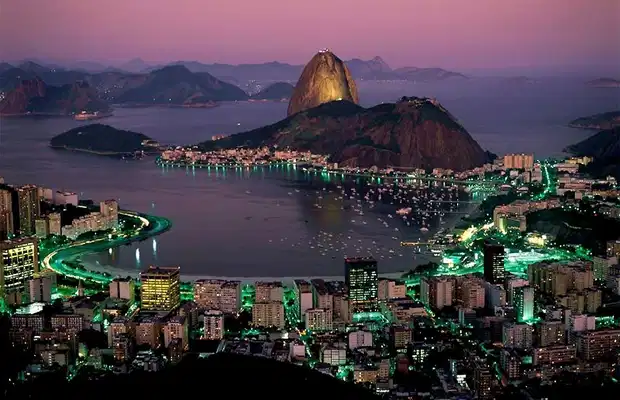
Let’s get the obvious one out of the way first, because Rio earns every bit of its fame. This is the city of Christ the Redeemer standing watch over the bay, of Sugarloaf Mountain rising straight out of the ocean, of Copacabana and Ipanema beaches packed with volleyball games, coconut water vendors, and sunsets that genuinely stop conversations mid-sentence.
But Rio is more than its postcard shots. Spend a morning wandering through Santa Teresa, a hillside neighborhood of cobblestone streets, colonial mansions, and independent art studios, and you’ll find a slower, more bohemian version of the city. Climb up to Pão de Açúcar (Sugarloaf) for a cable car ride at golden hour. Visit the Selarón Steps, a staircase covered in over two thousand tiles donated by visitors from more than 60 countries. And if you can time your visit around Carnival, you’ll witness one of the most elaborate cultural celebrations on Earth — though be warned, hotel prices spike accordingly.
Rio rewards travelers who balance the iconic with the unplanned. Some of the best memories here come from a random bar in Lapa with live samba, not from a checklist.
Iguazu Falls: Nature Showing Off
Located on the border with Argentina, Iguazu Falls (Foz do Iguaçu, in Portuguese) is one of those places that photographs genuinely undersell. It’s a system of nearly 275 individual waterfalls spread across almost two miles, and standing at the Devil’s Throat — the most powerful section — feels less like sightseeing and more like witnessing something the planet decided to do for fun.
The Brazilian side offers the best panoramic views, with walkways that let you get close enough to feel the spray on your face. The Argentine side, just across the border, gets you closer to the top of the falls themselves. Most travelers do both if time allows, since they offer genuinely different perspectives on the same natural wonder. Bring a poncho, or accept that you’re going to get wet — there’s no third option.
The Amazon Rainforest: Brazil’s Beating Green Heart
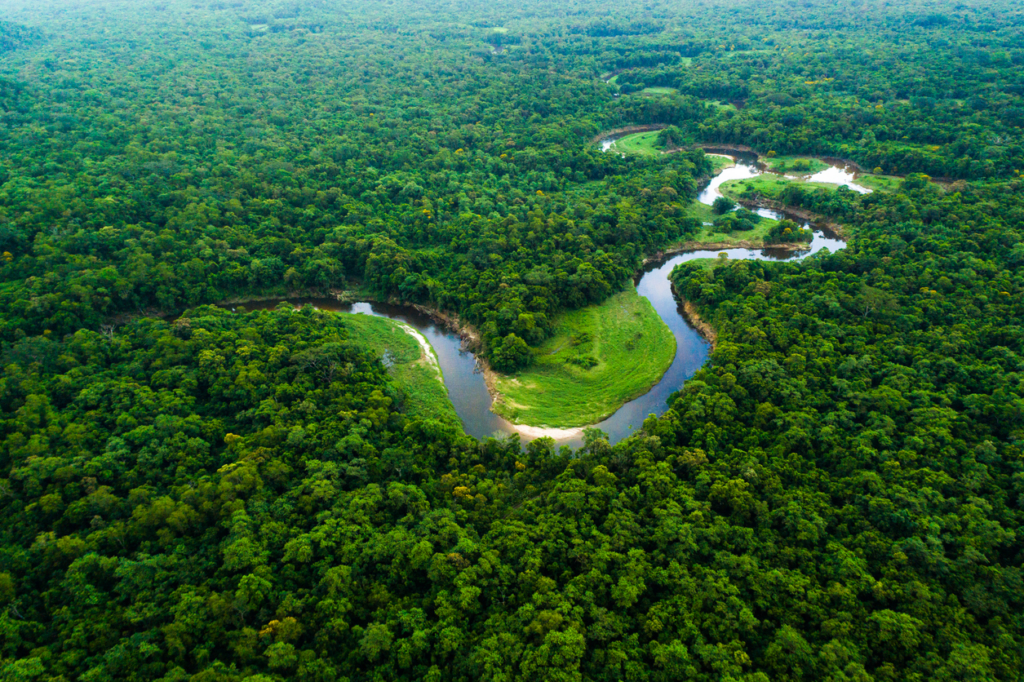
No list of Brazilian destinations is complete without the Amazon, and yet it’s the one most travelers underestimate in terms of planning. This isn’t a day trip — it’s an immersion. Manaus, a surprisingly modern city in the middle of the jungle, serves as the main gateway, complete with an opera house that feels almost surreal given its location.
From Manaus, you can arrange jungle lodges, riverboat expeditions, and guided hikes that bring you face to face with the scale of the rainforest: the canopy walks, the pink river dolphins, the nighttime caiman-spotting boat rides, the sheer, humbling biodiversity. The meeting of the waters, where the dark Rio Negro and the sandy-colored Amazon River flow side by side without mixing for several kilometers, is a strange and beautiful sight that looks almost edited, even in person.
This is travel that asks more of you — humidity, insects, early mornings — but gives back an experience that’s genuinely irreplaceable.
Salvador: Where Brazil’s Soul Was Born
If Rio is Brazil’s face to the world, Salvador, in the state of Bahia, is closer to its soul. This was the first capital of colonial Brazil and the historic heart of Afro-Brazilian culture, and it shows in every layer of the city — the music, the food, the religion, the rhythm of daily life.
The Pelourinho, Salvador’s historic center, is a UNESCO World Heritage Site filled with pastel-colored colonial buildings, capoeira circles forming spontaneously on street corners, and the sound of drumming that seems to never fully stop. The food here is some of the best in the country: acarajé (black-eyed pea fritters fried in palm oil and stuffed with shrimp), moqueca (a coconut-and-palm-oil seafood stew), and the kind of street-food culture that turns eating into an event.
Salvador’s beaches are excellent too, but they’re really the supporting cast. The main event is the culture itself.
Florianópolis: Brazil’s Beach-Lover Secret
Often just called “Floripa,” this island city in the southern state of Santa Catarina has quietly built a reputation as one of Brazil’s best-kept secrets — though it’s becoming less secret every year. With over 40 beaches ranging from calm, family-friendly bays to serious surf breaks, Floripa attracts a different crowd than Rio: more outdoorsy, more laid-back, with a strong international surf and digital-nomad community in recent years.
Praia Mole and Joaquina are popular with surfers, Lagoa da Conceição offers a lively lagoon-side scene with bars and water sports, and the southern beaches tend to be quieter and wilder. The island also has a notably high quality of life, which is part of why so many visitors end up extending their trips — or coming back permanently.
Pantanal: Brazil’s Best-Kept Wildlife Secret
While the Amazon gets all the international attention, serious wildlife watchers often consider the Pantanal the better destination for actually seeing animals. This massive tropical wetland, spanning parts of Mato Grosso and Mato Grosso do Sul, has far more open terrain than the dense rainforest, which means significantly higher odds of spotting jaguars, capybaras, giant otters, caimans, and an extraordinary range of bird species.
It’s considered one of the best places on Earth to see a wild jaguar, which has turned the region into a quiet pilgrimage site for wildlife photographers. The dry season (roughly May to September) is the best time to visit, when animals concentrate around shrinking water sources, making sightings far more likely.
Chapada Diamantina: Brazil’s Hiking Paradise
Tucked into the interior of Bahia state, Chapada Diamantina is a national park of dramatic plateaus, hidden waterfalls, underground rivers, and crystal-clear natural pools. It’s the kind of place that feels disconnected from the Brazil most people imagine — there’s no beach in sight, just canyons, caves, and small towns built during a 19th-century diamond rush.
The town of Lençóis makes a great base, with access to multi-day treks, the dramatic Cachoeira da Fumaça waterfall (one of the tallest in Brazil), and the otherworldly Poço Encantado, an underground cave pool so clear it looks photoshopped, with sunbeams piercing through a small opening above and illuminating the water in electric blue.
This is Brazil for travelers who want their adventure with a side of solitude.
São Paulo: The City That Works Hard and Eats Even Harder
São Paulo doesn’t have Rio’s beaches or postcard skyline, and it knows it — which is precisely why it doesn’t try to compete on those terms. Instead, it’s become Brazil’s cultural and culinary powerhouse: the largest city in the Southern Hemisphere, with a restaurant scene that rivals any major global capital, thanks largely to waves of Italian, Japanese, Lebanese, and other immigrant communities that shaped the city’s identity.
Liberdade, the Japanese district, the gallery-dense neighborhood of Vila Madalena, and the massive Ibirapuera Park (often compared to New York’s Central Park) all offer different sides of the city. São Paulo isn’t a place you visit for beauty in the traditional sense — it’s a place you visit to eat extraordinarily well and feel the pulse of modern Brazil.
A Few Honest Travel Tips
Before you start booking flights, a few practical notes worth knowing:
Brazil is enormous, and distances between regions are often underestimated by first-time visitors. Flying between, say, Rio and the Amazon takes several hours — this isn’t a country you “do” in one trip, and trying to cram too much in usually backfires.
The dry season (roughly May through September) is generally the best time to visit the Amazon and Pantanal, while Rio and the northeastern beaches are enjoyable nearly year-round, with December through March being peak season (and peak prices).
Portuguese is the official language, and while tourist areas often have some English, learning a handful of basic phrases goes a long way and is genuinely appreciated.
Final Thoughts
Brazil rarely shows itself fully on a first visit, and that’s part of its appeal. You might come for Rio’s beaches and leave thinking about a waterfall in Chapada Diamantina you stumbled upon almost by accident, or a plate of moqueca in Salvador that changed how you think about seafood entirely. The country has a way of rearranging your priorities once you’re actually standing in it.
Whichever destinations make your list, go in with some flexibility built into the plan. Some of the best travel stories in Brazil come from the things that weren’t on the itinerary at all.